Two Kitchen Icons, One Common Question
If you’re investing in quality cookware, few decisions are more common than choosing between cast iron and stainless steel. Both have earned a place in professional kitchens and family homes around the world, but they perform quite differently.
The truth is that neither is universally better. The right choice depends on how you cook, what you cook, and how much maintenance you’re willing to do.
In this guide, we’ll compare cast iron and stainless steel skillets side by side, explain where each excels, and share some of our favourite options available at Chef’s Complements.
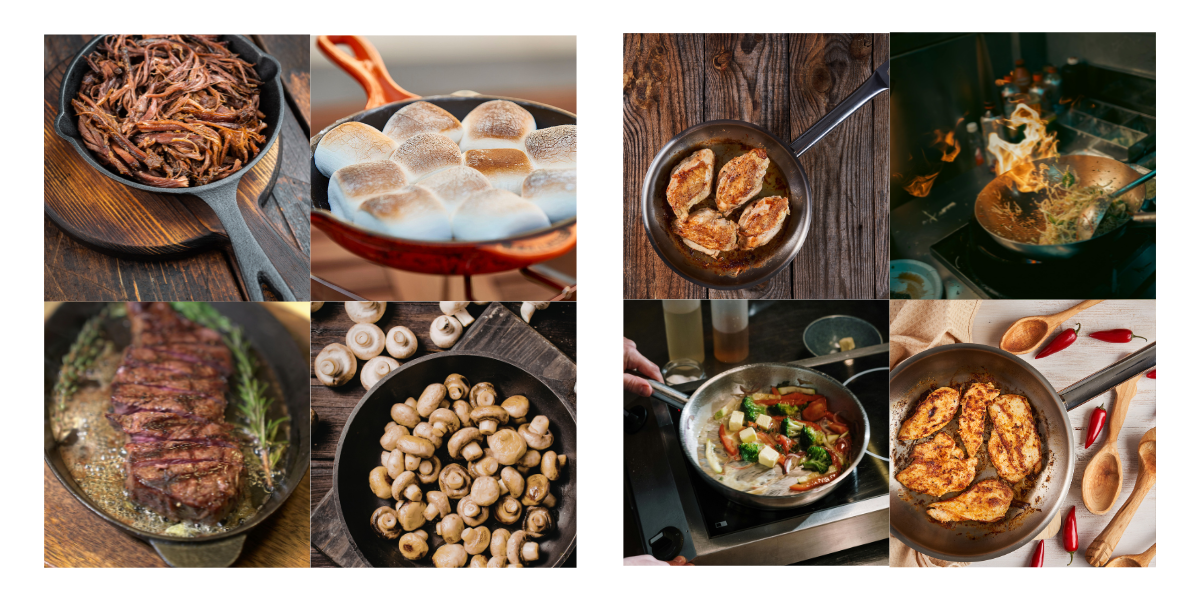
Understanding Cast Iron
Cast iron cookware has been trusted for centuries, with its origins tracing back to ancient China during the Zhou Dynasty (1046–256 BCE). Early metalworkers developed techniques for melting iron ore and casting it into moulds, producing durable tools, weapons, and cooking vessels. Over time, cast iron spread across cultures and continents, earning a reputation for exceptional durability and cooking performance that endures today.
Many cast iron pans are pre-seasoned, meaning they’ve been coated with oil and heated to create a naturally non-stick cooking surface that improves over time with use.
Why Home Cooks Love Cast Iron
1. Outstanding Heat Retention
Once cast iron gets hot, it stays hot. The consistent heat helps create beautifully caramelised crusts and restaurant-quality browning, making it ideal for:
- Searing steaks
- Cooking burgers
- Frying chicken
- Roasting vegetables
- Baking bread, pies, and desserts
2. Naturally Non-Stick Over Time
A well-seasoned cast iron skillet develops a slick cooking surface that improves with use. Many cast iron enthusiasts swear by their well-seasoned, decades-old pans for cooking everything from eggs to pancakes.
3. Built to Last
Few cookware materials can match cast iron for longevity. With proper care, a cast iron skillet can last for generations and become a treasured family heirloom.
The Drawbacks of Cast Iron
Despite its many strengths, cast iron isn’t perfect.
1. It’s Heavy
Cast iron skillets are significantly heavier than stainless steel alternatives. Larger pans can be awkward to lift, particularly when full.
2. Not Ideal for Acidic Foods
Long simmering of tomato-based sauces, wine reductions, citrus dishes and other acidic ingredients can affect seasoning and potentially alter flavours.
3. Requires Ongoing Care
To maintain seasoning and prevent rust, cast iron needs a little more attention than stainless steel.

Want to learn more?
New to cast iron? Read our complete guide: How to Season & Care for Cast Iron.
For more inspiration, explore our All Things Cast Iron Pinterest board.
Understanding Stainless Steel
Stainless steel is a relatively modern invention, first developed in 1913 by metallurgist Harry Brearley in Sheffield, England. While experimenting with steel alloys to create more durable gun barrels, Brearley discovered that adding chromium to steel dramatically improved its resistance to rust and corrosion. His breakthrough laid the foundation for modern stainless steel, a material now prized for its durability, versatility, and low-maintenance performance in kitchens around the world.
Stainless steel is often the number one choice for professional chefs thanks to its durability, versatility, and ease of maintenance. Most premium stainless steel pans feature a multi-layer construction, often incorporating aluminium or copper cores to improve heat distribution.
Why Home Cooks Love Stainless Steel
1. Incredible Versatility
Stainless steel can handle almost anything you throw at it. Unlike cast iron, acidic ingredients won’t damage the cooking surface.
2. Lightweight and Easy to Handle
Many cooks appreciate the lighter weight and manoeuvrability of stainless steel, especially when cooking daily.
3. Low Maintenance
No seasoning required.
Simply wash, dry and store. Stainless steel is resistant to rust, staining and corrosion, making it one of the easiest cookware materials to maintain.
4. Ideal for Pan Sauces
When proteins brown on stainless steel, they create flavourful fond on the pan surface. Deglazing these browned bits with stock, wine, or butter creates restaurant-worthy sauces.
The Drawbacks of Stainless Steel
Learning Curve
Unlike non-stick cookware or seasoned cast iron, stainless steel requires proper preheating and cooking techniques to minimise sticking.
Once mastered, however, many cooks find it exceptionally rewarding.
Doesn’t Hold Heat Like Cast Iron
While premium stainless steel pans distribute heat evenly, they generally don’t retain heat as long as cast iron.
For ultra-high-heat searing, cast iron still has the edge.
Let’s compare:
Which Pan Is Best for Different Cooking Styles?
Choose Cast Iron If You:
- Love cooking steaks and burgers
- Enjoy baking in your skillet
- Want heirloom-quality cookware
- Appreciate traditional cooking methods
- Don’t mind occasional maintenance
Choose Stainless Steel If You:
- Cook a wide variety of foods
- Make sauces regularly
- Want low-maintenance cookware
- Prefer lighter pans
- Frequently cook acidic ingredients
Our Favourite Cast Iron Skillets
Blacklock Triple Seasoned Cast Iron Skillet (30cm)
A modern take on traditional cast iron, the Blacklock Triple Seasoned Skillet is lighter than many comparable pans while still delivering exceptional heat retention. Its triple-seasoned finish offers a naturally easy-release cooking surface from day one, making it an excellent choice for searing steaks, roasting vegetables, and everyday cooking.
EngelElzen Cast Iron Pan (30cm)
Handcrafted in New Zealand, the EngelElzen Cast Iron Pan combines premium heirloom-quality craftsmanship with outstanding cooking performance. Designed by engineer Carl Engel and chef Michael Van de Elzen, with the sole purpose of bringing you cooking success, no matter what cooking element you use. It delivers even heating and beautiful browning while bringing timeless style to the kitchen.
Le Creuset Signature Cast Iron Skillet (30cm)
If you’re a fan of colour, the Le Creuset Signature Cast Iron Skillet is available in seven signature hues. An icon of cast iron cookware, the enamelled finish offers exceptional heat retention and versatility; equally at home on the stovetop, in the oven, or on the table, making it a favourite for everything from searing and sautéing to baking and serving.
Our Favourite Stainless Steel Skillets
Swiss Diamond Premium Steel Frying Pan (28cm)
Designed for everyday versatility, the Swiss Diamond Premium Steel Frying Pan features high-quality stainless steel construction and excellent heat distribution. Its durable design makes it ideal for everything from weeknight meals to perfectly browned meats and vegetables.
Scanpan Axis Fry Pan (28cm)
With its multi-layer construction and sleek Scandinavian design, the Scanpan Axis Fry Pan offers responsive heating and precise cooking control. It’s a great choice for home cooks looking to master stainless steel techniques, from searing proteins to creating rich pan sauces.
Essteele Per Vita Skillet (28cm)
Crafted in Italy, the Essteele Per Vita Skillet combines elegant design with professional-grade performance. Its premium stainless steel construction provides outstanding durability and even heat distribution, making it a versatile kitchen essential built for years of everyday use.
Why Many Cooks Own Both
Here’s the secret: many experienced home cooks don’t choose one or the other.
They use cast iron for high-heat searing, baking, and roasting, while relying on stainless steel for everyday cooking, sauces, and acidic dishes.
In fact, many cookware enthusiasts consider a combination of cast iron and stainless steel the ideal kitchen setup, as each material excels in different situations.
If you’re building a cookware collection, owning one quality cast iron skillet and one quality stainless steel skillet can cover almost every cooking task imaginable.
Our Final Thoughts
Cast iron and stainless steel are both kitchen classics for good reason.
Cast iron delivers unmatched heat retention, beautiful searing, and heirloom durability. Stainless steel offers versatility, precision, and easy maintenance.
Rather than asking which is better, the real question is which suits your cooking style best.
Whether you’re searing steaks in cast iron or building flavourful pan sauces in stainless steel, investing in quality cookware from Chef’s Complements is one of the best upgrades you can make to your kitchen!